
Last Friday, dated 11th April 2025, the paddock was alive with a hubbub of speculation after team principals were summoned to a meeting with FIA President Mohammed Ben Sulayem, CEO of Formula One Management Stefano Domenicali and Director of Single Seaters Nikolas Tombazis to discuss the future of the sport’s technical regulations. Also included in the meeting were notable figures in the paddock, including Team Principal of Mercedes AMG Petronas F1 team and CEO Toto Wolff, Red Bull Racing CEO and Team Principal Christian Horner and Ferrari Team Principal Fred Vasseur. The main item on the agenda was a proposed return of the fan-favourite V10 engines, as the power unit for the 22 F1 cars that will be on the grid by the time the new regulations rolled around. Naturally, this caused quite the stir among fans and teams alike. Not too much is known about this meeting, but let’s run through what we do know, shall we?
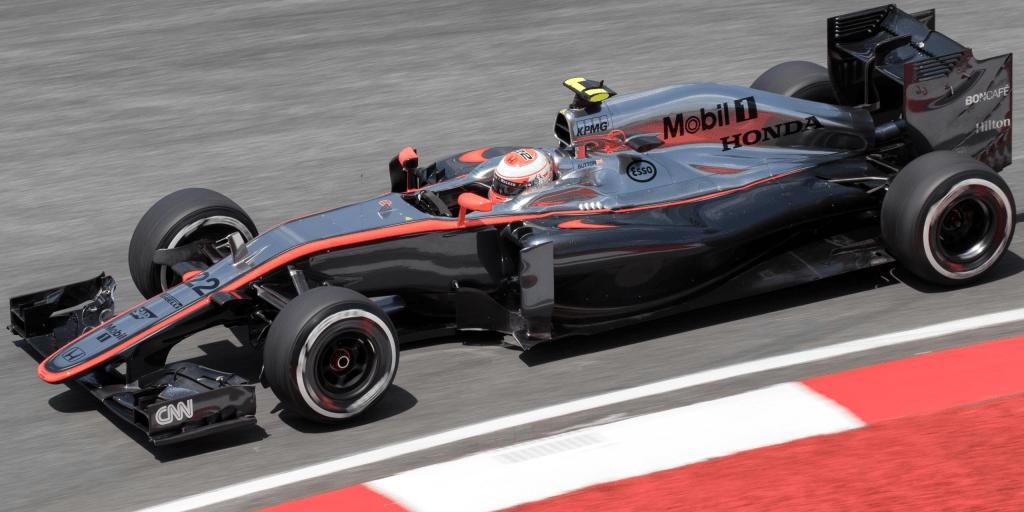
The main aim of this meeting was to understand how keen teams, shareholders and suppliers were to see the return of screeching V10 engines in the backs of their Formula One cars. But before the meeting, the only discussion we know have taken place are between the director for single seater racing Nikolas Tombazis and the relevant parties involved in the discussions. This is speculated to be those involved in the manufacture of the power units, to see what they’d reckon to V10s making a shock return. Though both Ferrari and Red Bull Powertrains were on-board, it’s now become apparent that Mercedes, Honda and Audi were all opposed to the idea. Which makes sense. When you think about it, Audi have probably spent the last 2 years and god knows how much money on building a 1.6 litre V6 hybrid motor, and the thought of them throwing that away in favour of building a new V10 is laughable. Mercedes too, have had a great deal of success with their hybrid power unit since they were first introduced in 2014. The Brackley-based outfit really hit the ground running when the new regulations came into effect, and why would the team alter a winning formula? Honda’s decision too oppose also isn’t a surprising one. When they were introduced, they weren’t great engines. Mclaren were the most notable team to run Honda power, and the car was more than lackluster where power was concerned. The main concern was the hybrid availability, and how the engine couldn’t harvest or deploy energy evenly. Meaning at the start of the race, it was fine, the battery soon had no power and left drivers Fernando Alonso and Jenson Button 160 horsepower down on their rivals, leading to the Spaniard and the Brit fighting for the wooden spoon down in 15th and 16th in Italy, 2015.
Audi have been the most vocal among those in the decision making, with a spokesperson stating: “Our aim is to help shape a sustainable and future-oriented form of motorsport that leverages cutting-edge technologies, benefiting not only F1 but also Audi’s broader technological development which we see reflected in the 2026 power unit regulations. Audi remains fully committed to entering Formula 1 from 2026 onwards, with power unit technology built around three key pillars: highly efficient engines, advanced hybrid electrification, and the use of sustainable fuels.” Well there it is in black and white. Audi don’t want F1 if F1 doesn’t want hybrid power. Damn.
Surprisingly to some, however, the person leading the charge for the return of V10 power in Formula One was FIA President Mohammed Ben Sulayem. He believes this could offer a more distinctive sound and potentially be easier to maintain and develop, especially when using sustainable fuels, which is all well and good when it’s planned years in advance. But a short notice change is unlikely to get anywhere, and with 4 manufacturers required to vote in favour, it doesn’t look like it’s happening any time soon. After the meeting, the FIA released a statement that reads: “In opening the meeting, the FIA President was keen to stress that the purpose of the gathering was to seek cost-effective solutions to safeguard long-term sustainability of the sport and the business of Formula 1.” As it stands, it seems we’re disappointed again race fans, but all is not lost!
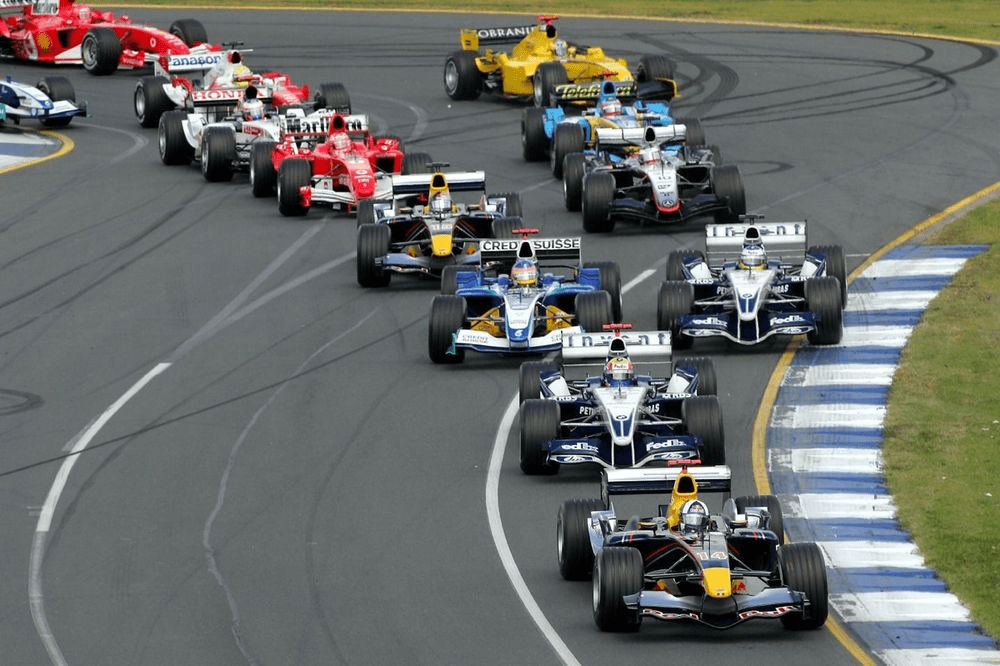
I feel that this topic isn’t dead yet. Even though it would be impossible to hear those V10s scream at up to 20,000RPMs in 2026 and a tall order for 2028, I feel the correct discussions are happening at the right times, and we could potentially see a return in the 2030s, with the return before 2031 still up for discussion. And with the recent abolition of hybrid power in the British Touring Car Championship, I personally feel the right steps are being taken to ensure we see a return of the golden age of F1, where it was nothing more than a driver, 4 wheels and thumping great motor behind them.
But before one can pass a judgement, one should understand the magnitude of the task of putting a V10 back into a formula one car. Naturally, fitting 4 extra cylinders into an already compact F1 car is a daunting task. So cars will need to be redesigned and overhauled by teams whilst engine manufacturers build their motors from the ground up. The costs of which would be astronomical. And in an era of F1 where the cost of running a car is so closely monitored, it just doesn’t seem feesable. However! I will endevour to return to this topic, should anymore developments come to light.
Have a great night, readers.

 Heroics Into Saint Devote
Leave a comment